Tag Archives: Washington Post

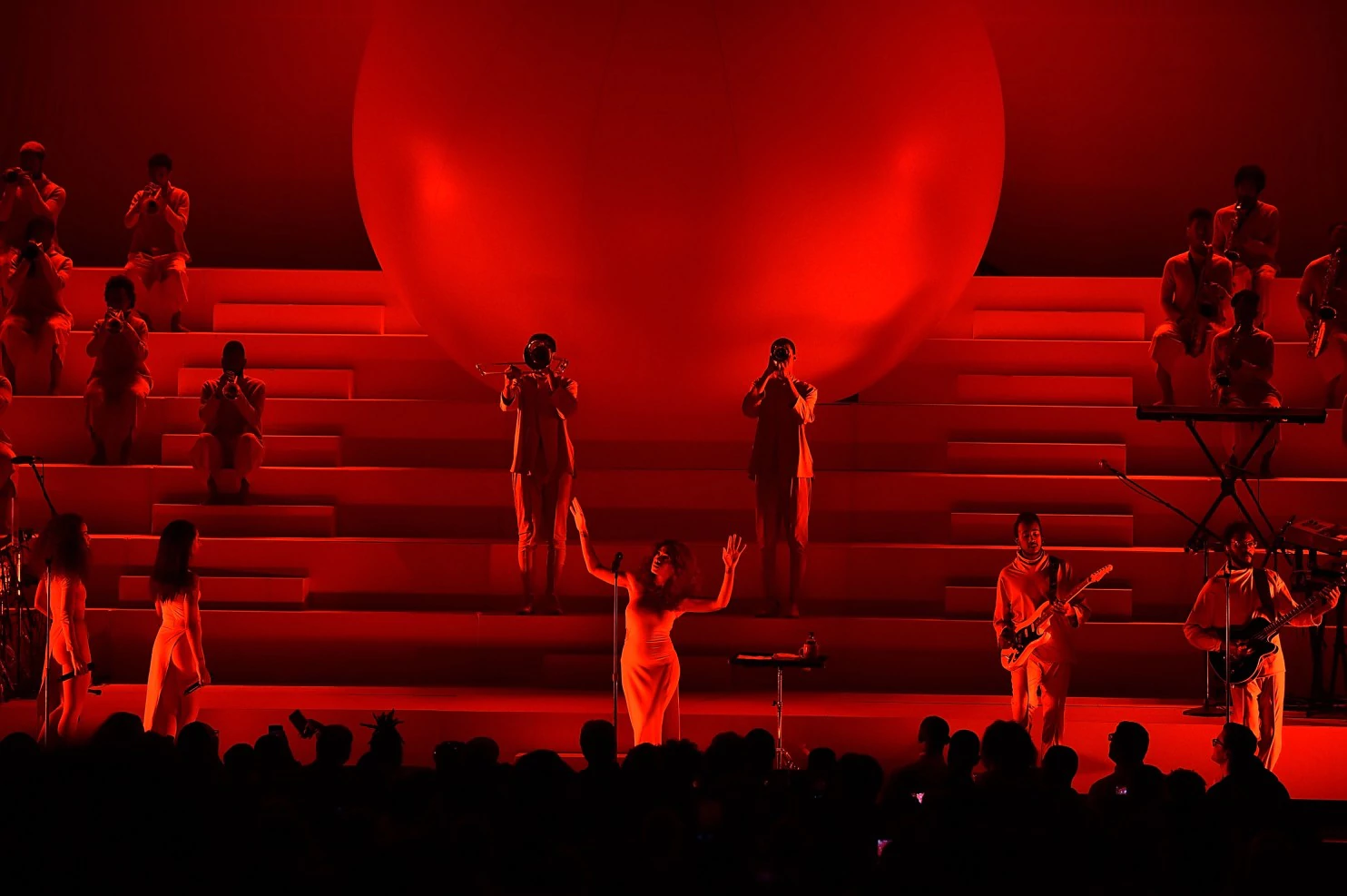
Solange sings like she means it at the Kennedy Center

Solange’s masterful 2016 album, “A Seat at the Table,” was released a day and a year before her Sunday night show at the Kennedy Center’s Concert Hall, but it felt no less important or impactful than it did last fall. If anything, its messages of black empowerment, self-care, and turning pain and grief into love and joy are more poignant at a time when neo-Confederates march on the streets and the president calls any NFL player protesting police brutality a “son of a bitch.” Solange said that all she expected from the album was a chance to heal some of her trauma; onstage, she helped heal a couple thousand people.
Read more in The Washington Post.

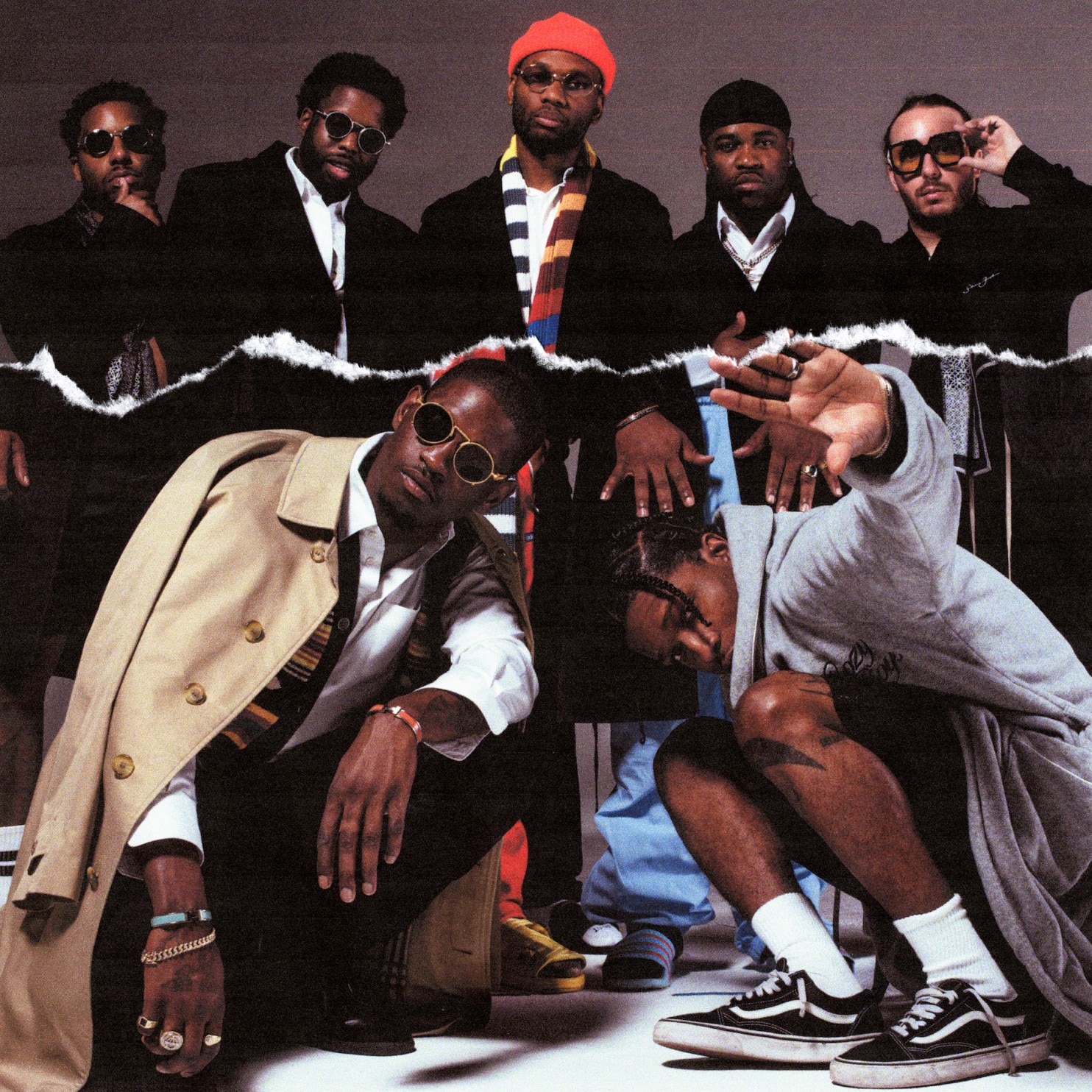
A$AP Mob continues the legacy of the New York hip-hop crew

The four-decade history of New York hip-hop is a story of crews and cliques, from Grandmaster Flash and the Furious Five to the Wu-Tang Clan to Bad Boy and Dipset. Continuing that legacy for much of this decade has been A$AP Mob, the Harlem collective fronted by A$AP Rocky that brought its Too Cozy Tour to a sold-out Echostage on Wednesday night.

Read more in The Washington Post.

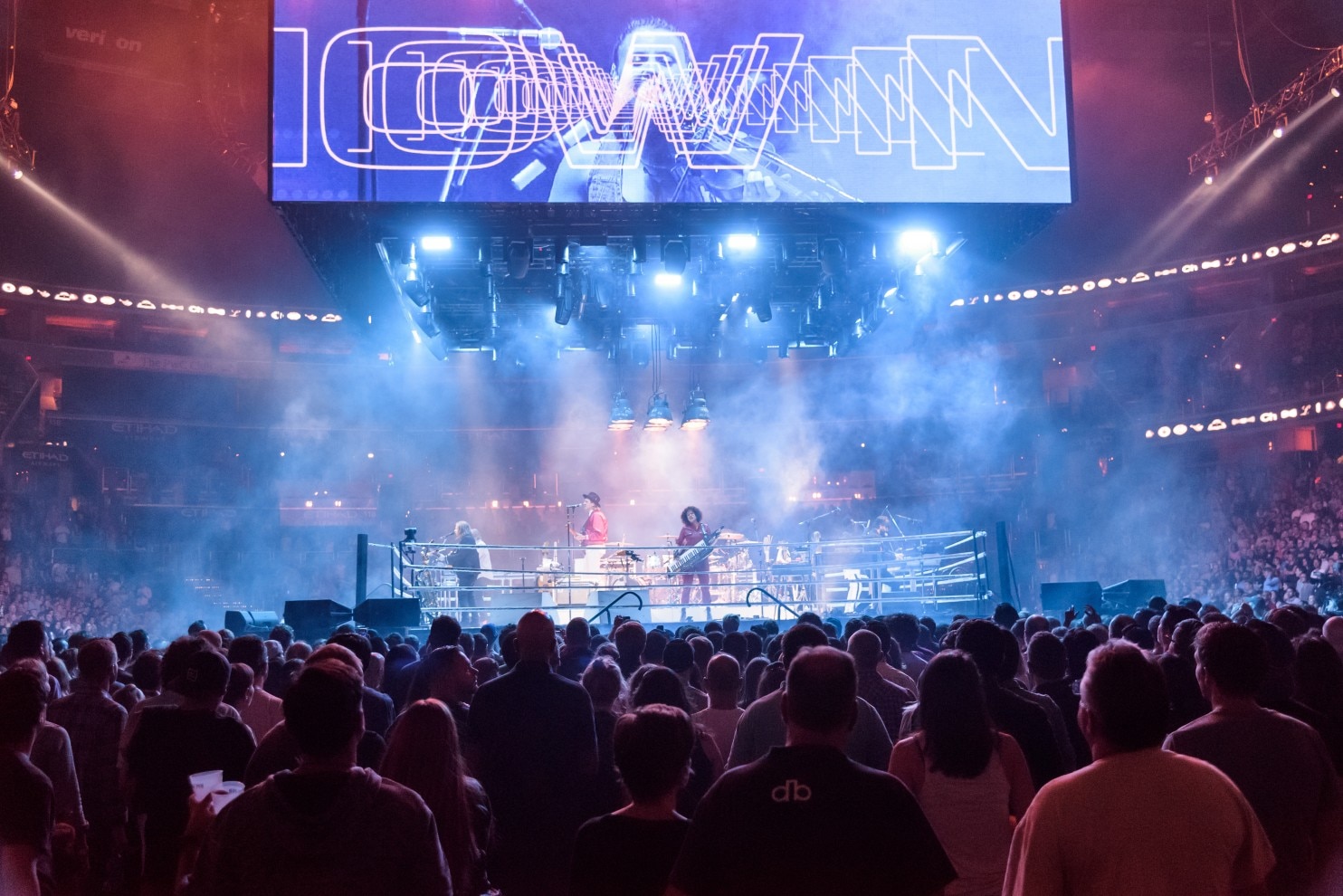
A rocking Arcade Fire overloads the senses at Capital One Arena

On tour in support of an album whose press campaign spawned fake news, fake reviews and fake corporations shilling fake products, Arcade Fire came to the stage Saturday night with an equal dose of unreality. Introduced as the “undefeated, undisputed, heavyweight champions of the world,” the band made its way to the center of the Capital One Arena floor to an in-the-round stage surrounded by boxing ropes as a Michael Buffer-esque announcer humble-bragged about the band’s countless awards and honors.

Read more in The Washington Post.

U Street Music Hall to house the multisensory dance vision of Fractal Fantasy

Plenty of DJ-producers start record labels. For Sinjin Hawke and Zora Jones, that wasn’t enough. Instead, they would need a multimedia platform to house all their audiovisual work — tracks and mixes, animated 3-D graphics and interactive apps. That platform is called Fractal Fantasy, which since 2012 has been home to the pair’s vision for the future of club music.

Read more in The Washington Post.

For D.C. rapper Lightshow, home is where the art is

‘Where I come from is the beginning of the story for me,” says D.C. rapper Lightshow. “Where I’m going is the narrative.”

Where Lightshow comes from is the neighborhood around 10th Place Southeast in Congress Heights. He was born Larinzo Lambright-Williams, just down the street at what was then Greater Southeast Hospital, and his first two homes were on the street. 10th Place is such a prominent part of his identity that he appends it to his social-media handles and references the block in his lyrics.

Read more in the Washington Post.

The idea of ‘safe spaces’ has become controversial, but in nightlife it’s increasingly important

When Kate Ross first came out, she would go to lesbian bars and parties by herself. She didn’t exactly get a warm welcome. At the lesbian dance party She Rex, which used to pop up at Chief Ike’s Mambo Room, she says a fellow partygoer took one look at her high heels and long hair and called her a “confused straight girl.”

“I shaved off all my hair and had a mohawk,” she says. “No one questioned me after that.”

Read more in the Washington Post.

How moombahton went from the hot sound to passe to influencing today’s biggest pop hits

If you’ve turned on the radio at any time in the past few years, you’ve heard major pop hits — Justin Bieber’s “Sorry,” Drake’s “One Dance,” Major Lazer’s “Lean On,” Luis Fonsi’s Bieber-featuring “Despacito” — that are united by one thing: the syrupy, midtempo grooves of Afro-Caribbean sounds such as dancehall and reggaeton. But fans of the electronic music underground have heard something else: the unmistakable signature of moombahton, a genre with a legendary origin story based in a Prince George’s County, Md., basement that was the hottest trend in dance music at the start of the decade. But in the quickly shifting dance music landscape, moombahton had its big moment, then gave way to the next hot sound. So how did it end up being reborn in some of the biggest pop songs of all time?

Read more in the Washington Post.

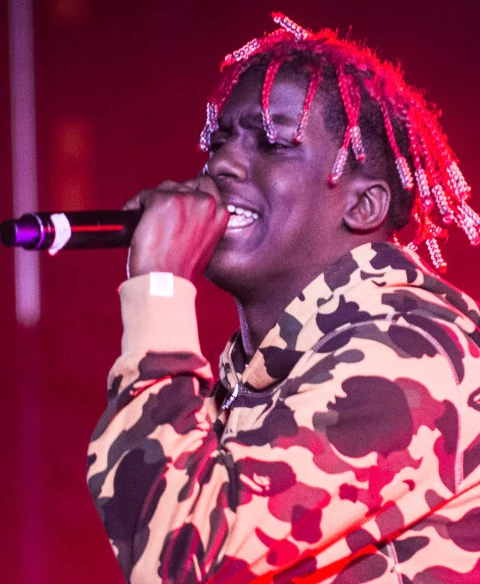
Lil Yachty brings ‘Teenage Emotions’ — and adolescent fans — to Echostage

“When Lil Yachty burst onto the scene last year, he seemed like something out of a hip-hop purist’s nightmare: an Auto-Tuned warbler who half-rapped, half-sang his lyrics like a half-asleep ILoveMakonnen, favoring beats that sampled “Finding Nemo” and “Rugrats,” wearing his hair in red Raggedy Ann braids and calling the Notorious B.I.G. overrated. (He eventually apologized for that last one.)”

Read more in the Washington Post.

Playboi Carti: Plenty of charisma, not a whole lot of rapping

“During hip-hop’s infancy, the MC was literally the master of ceremonies, telling the audience the name of the song that the DJ was playing and shouting out the members of his crew. Soon, MCs came up with catchphrases and rhymes, and rappers were born. On Wednesday night at Fillmore Silver Spring, Atlanta rapper Playboi Carti served as MC in the traditional sense, which was just about the only thing throwback about the concert.”

Read more in the Washington Post.

On ‘American Teen,’ alt-R&B’s Khalid makes a case to be a voice of his generation

For his debut album, singer-songwriter Khalid chose the title “American Teen,” which is exactly the kind of thing a precocious, preternaturally gifted 19-year-old would do. The lofty, all-encompassing title suggests that Khalid has teenage life all figured out. And across the album’s 15 tracks, he makes a compelling case to be a voice of his generation, musically and lyrically.

Read more in the Washington Post.